Innovative Cage Trap Technology for Rapidly Deployable Infrastructure Solutions

0%

Table of Contents

The innovative application of cage trap technology is rapidly evolving, offering solutions to diverse challenges across multiple sectors. Initially conceived for animal control, its principles are now being adapted to address critical needs in disaster relief, temporary housing, and secure logistics. Understanding the fundamentals of cage trap construction and deployment is vital for organizations and individuals seeking rapid, cost-effective, and adaptable solutions.

Globally, the demand for flexible and quickly deployable infrastructure is escalating due to increasing natural disasters, humanitarian crises, and the need for adaptable workspaces. Cage trap systems, offering inherent portability and modularity, provide a compelling alternative to traditional construction methods, which are often slow, expensive, and environmentally impactful. According to the UN Office for Disaster Risk Reduction, the number of recorded disaster events has increased fivefold over the past 50 years, underscoring the urgent need for resilient and rapidly deployable solutions.

Cage trap as a concept extends beyond its initial purpose. It's a blueprint for building adaptable structures with minimal resources and maximum efficiency. From providing emergency shelter in conflict zones to establishing mobile healthcare facilities, the possibilities are expanding, driven by innovation in materials and engineering. This focus on adaptable, efficient structures is becoming increasingly vital in a world facing complex and unpredictable challenges.
cage trap

Introduction to Cage Trap Technology

cage trap

The essence of cage trap technology lies in its ability to rapidly construct secure and adaptable enclosures using a framework and protective cladding. This approach, initially developed for humane animal capture, has broadened significantly, finding applications in emergency shelter construction, mobile security posts, and temporary workspaces. The fundamental principle remains consistent: create a robust, portable, and quickly deployable structure.

The adaptability of the cage trap framework makes it exceptionally versatile. Different cladding materials – ranging from simple tarpaulins to insulated panels – can be attached to create structures suited to various climates and purposes. This modularity reduces logistical complexities and allows for on-site customization to meet specific needs, making it a particularly valuable asset in challenging environments.

Defining Cage Trap Systems

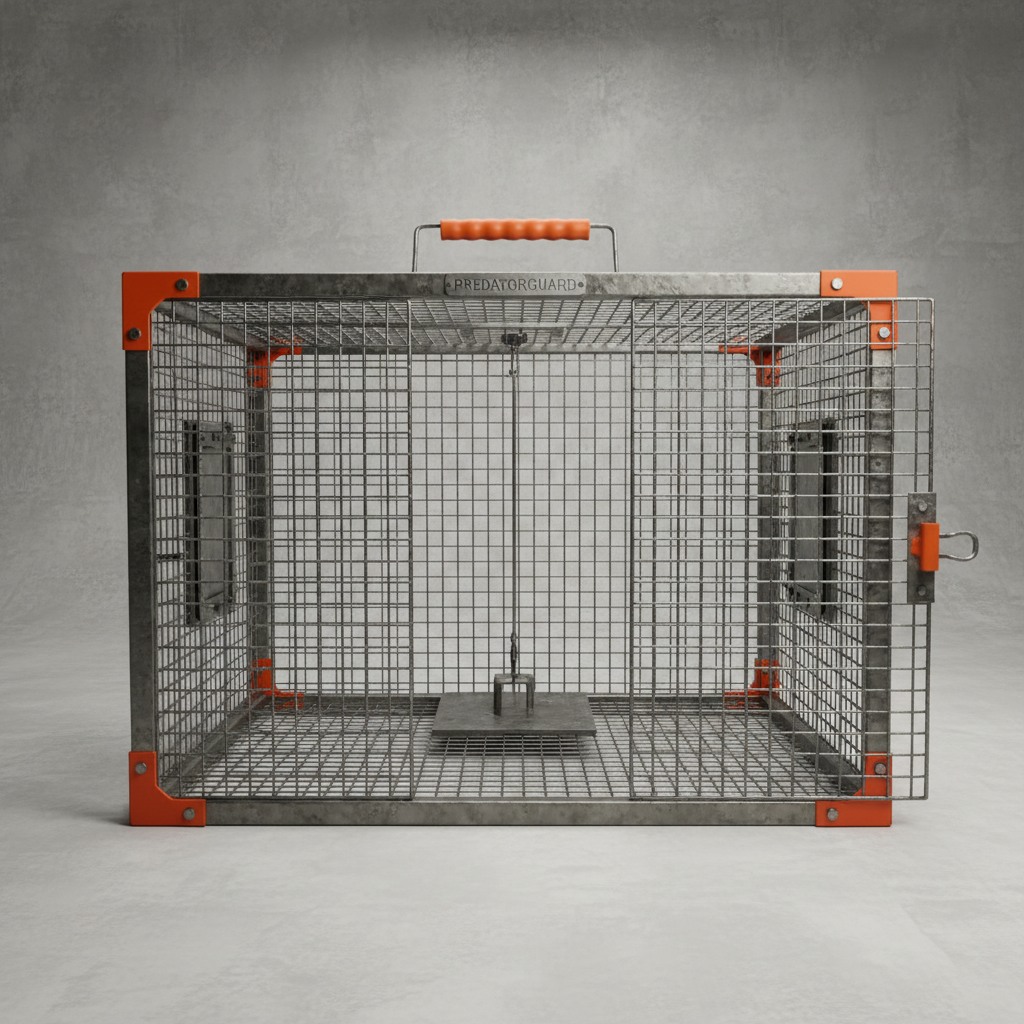
A cage trap system, at its core, is a self-supporting, modular structure primarily built from a welded wire mesh or metal frame. These systems are designed for rapid assembly and disassembly, requiring minimal specialized tools or expertise. The term encompasses a broad range of designs, from simple, portable cages for animal control to complex, multi-room structures for human habitation.

The connection between traditional animal control cage traps and modern applications stems from the inherent advantages of the design – strength, portability, and cost-effectiveness. Adaptation of the basic principle allows for scalable solutions, enabling the creation of everything from single-person shelters to large-scale field hospitals. The humanitarian application focuses on offering dignified and safe shelter when immediate and conventional building approaches are not feasible.

Modern cage trap systems often incorporate features like reinforced frames, weather-resistant cladding, and integrated ventilation systems to enhance their suitability for diverse applications. The evolution of the concept is driven by the need for adaptable, rapidly deployable infrastructure that can address immediate needs in dynamic and challenging environments.

Core Components of Cage Trap Design

The structural integrity of any cage trap system relies on several core components. The foundational element is the framework, typically constructed from welded steel wire or metal tubing, providing the rigidity and shape of the structure. The type of material and gauge used directly impact the system’s load-bearing capacity and durability.

Cladding materials play a crucial role in defining the functionality of the cage trap. Options range from simple tarpaulins for basic weather protection to insulated panels for thermal regulation and privacy. The choice of cladding depends heavily on the intended application and environmental conditions. Connectors, such as clamps, bolts, or interlocking mechanisms, are vital for rapid assembly and disassembly, influencing the system’s overall ease of deployment.

Finally, ancillary components like doors, windows, and ventilation systems enhance the usability and comfort of the structure. These features are often modular, allowing for customization based on specific requirements. The quality and integration of these components contribute significantly to the overall performance and habitability of the cage trap system.

Key Factors Influencing Cage Trap Performance

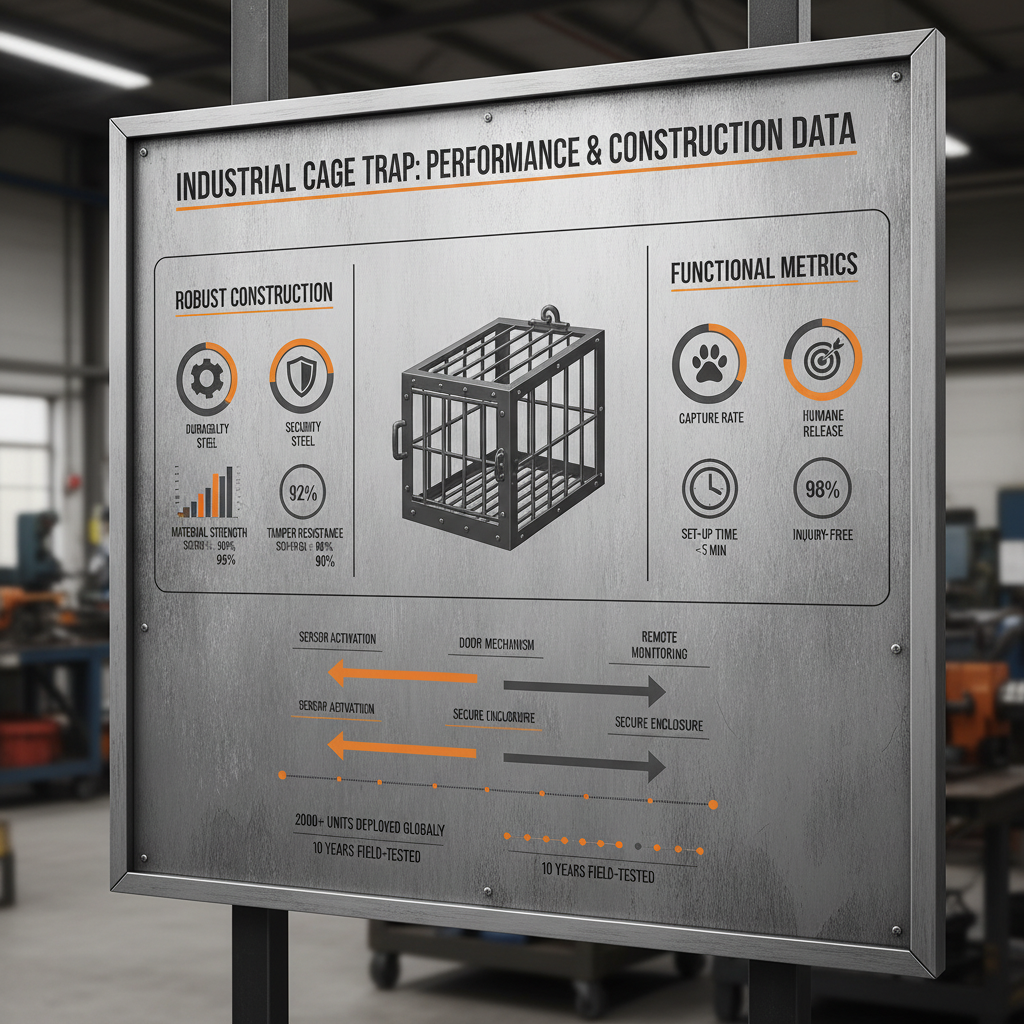
Several key factors impact the performance and suitability of a cage trap system. Durability is paramount, as these systems are often deployed in harsh environments and subjected to significant stress. Material selection, welding quality, and protective coatings all contribute to long-term structural integrity.

Performance Metrics for Cage Trap Systems

Global Applications of Cage Trap Solutions

Cage trap systems are increasingly deployed in diverse global contexts. In post-disaster relief operations, they provide immediate shelter for displaced populations, offering a safe and secure environment while long-term housing solutions are being developed. Organizations like the Red Cross and Doctors Without Borders are exploring the use of these systems for establishing temporary field hospitals and clinics in remote areas.

Advantages and Long-Term Value of Cage Trap Systems

The advantages of utilizing cage trap systems extend beyond their immediate functionality. Cost-effectiveness is a significant benefit, as these systems often require lower upfront investment and reduced transportation costs compared to traditional construction methods. Sustainability is also a key consideration, particularly when utilizing recycled or locally sourced materials in their construction.


The long-term value lies in their adaptability and reusability. Systems can be dismantled, transported, and reassembled in different configurations, providing a flexible infrastructure solution. This adaptability also promotes a sense of dignity and security for those utilizing the structures, contributing to a more positive and stable environment. The inherent robustness of the design ensures a reliable and long-lasting shelter solution.

Future Trends and Innovations in Cage Trap Technology

The future of cage trap technology is poised for significant innovation. Research into advanced materials, such as lightweight composites and self-healing polymers, promises to enhance durability and reduce weight. Integration with smart technologies, including solar power systems and environmental sensors, will enable the creation of self-sufficient and responsive structures.


The development of automated assembly systems will further streamline deployment, reducing labor costs and accelerating response times. Sustainable manufacturing practices and the use of bio-based materials will align with growing environmental concerns, ensuring the long-term viability of cage trap solutions. Digital twin technology could also enable remote monitoring and predictive maintenance, maximizing the lifespan and efficiency of these systems.

FAQS

What are the primary advantages of using cage trap systems for emergency shelter compared to traditional tents?

Cage trap systems offer significantly greater durability and security compared to traditional tents. They provide enhanced protection against harsh weather conditions, potential intrusions, and offer a more stable and dignified living space. While tents are quick to deploy, cage trap systems are built to withstand prolonged use and provide a long-term shelter solution, reducing the need for frequent replacements.

How easily can cage trap structures be transported and assembled in remote or challenging terrains?

Cage trap systems are designed for portability and ease of assembly. The modular nature allows components to be flat-packed and transported efficiently. Assembly requires minimal specialized tools and can be completed by a small team with basic training, even in challenging terrains. The lightweight construction reduces transportation costs and logistical complexities.

What is the typical lifespan of a cage trap structure, and what maintenance is required?

The lifespan of a cage trap structure varies depending on the materials used and environmental conditions, but typically ranges from 5 to 15 years. Regular maintenance, including inspection for corrosion and repair of damaged components, is essential to maximize its longevity. Protective coatings and cladding materials can further extend the lifespan.

Are cage trap systems environmentally friendly, and what materials are commonly used?

Cage trap systems can be environmentally friendly, particularly when utilizing recycled materials or sustainable cladding options. Common materials include galvanized steel wire, recycled plastic panels, and locally sourced wood. Efforts are being made to develop bio-based cladding materials to further reduce the environmental footprint. The reusability of the systems also contributes to their sustainability.

What are the cost considerations associated with implementing a cage trap solution compared to conventional building methods?

Cage trap systems generally offer a more cost-effective solution compared to conventional building methods, particularly for temporary or emergency infrastructure. The lower material costs, reduced labor requirements, and faster deployment times contribute to significant savings. However, costs can vary depending on the size and complexity of the structure and the chosen materials.

What safety standards and certifications are relevant to the design and construction of cage trap systems?

Safety standards and certifications vary depending on the intended application and geographical location. Relevant standards may include structural engineering codes, fire safety regulations, and environmental compliance guidelines. It's crucial to ensure that the design and construction adhere to all applicable local and international standards to ensure the safety and wellbeing of occupants.

Conclusion

Cage trap technology represents a paradigm shift in how we approach rapid deployment and adaptable infrastructure. Its inherent strengths – durability, portability, cost-effectiveness, and versatility – make it an invaluable asset in addressing a wide range of global challenges, from disaster relief and humanitarian aid to temporary housing and secure workspaces. Embracing this innovative approach offers a pathway to creating resilient and sustainable solutions.

Looking forward, continued research and development in materials science, smart technologies, and automated assembly techniques will unlock even greater potential for cage trap systems. By prioritizing sustainability, adaptability, and user-centric design, we can harness the power of this technology to build a more secure, equitable, and resilient future for communities around the world. Visit our website at www.hbarcherfish.com to learn more.
Michael Davis

Michael Davis

Michael Davis is the Lead Product Designer at Hebei Archerfish Network Technology Co., Ltd., having joined the team in 2023. He brings a wealth of experience in product development and a keen understanding of market trends. Michael focuses on refining existing product designs based on customer feedback, balancing practicality with innovative solutions. He spearheaded the integration of eco-friendly materials into 60% of our product line, aligning with the company's sustainability goals. Michael works closely with the R&D team and factory production to ensure designs are both effective and efficient to manufacture. He holds a Master's degree in Industrial Design.
Previous The Importance of Small Animal Traps for Effective Population Management
Next Effective and Humane Wildlife Management with a small live trap

If you are interested in our products, you can choose to leave your information here, and we will be in touch with you shortly.