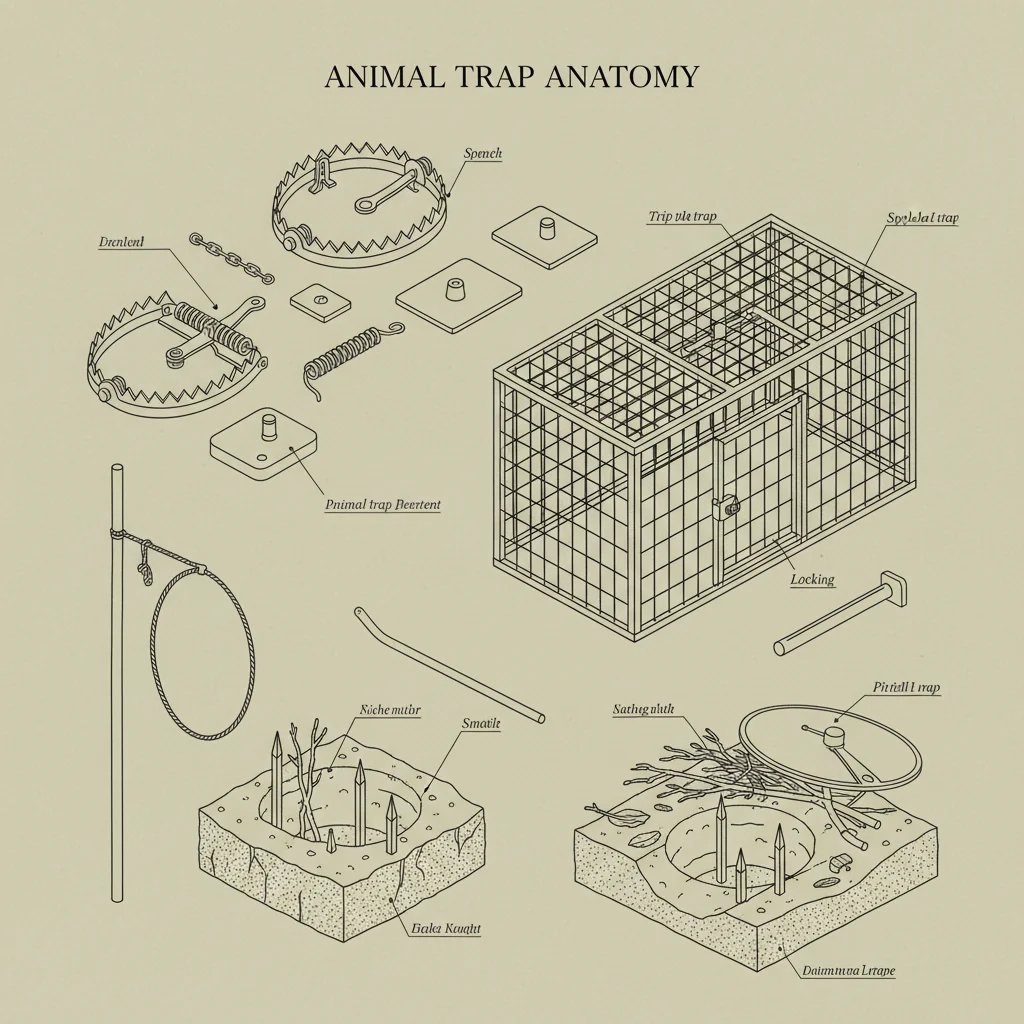
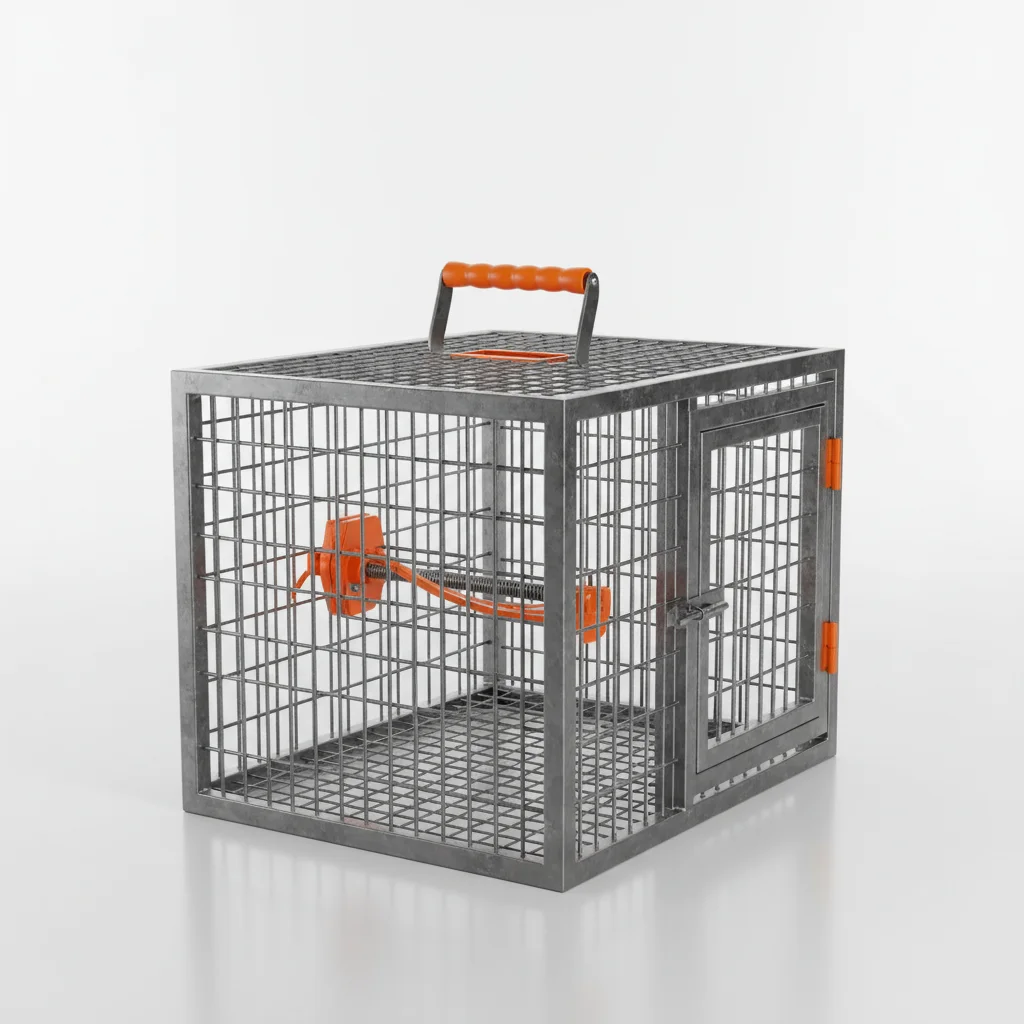
Animal traps & supplies play a crucial role across diverse sectors globally, from wildlife management and pest control to research and conservation efforts. The effective and ethical utilization of these tools necessitates a deep understanding of their mechanisms, appropriate applications, and potential impacts. Reliable animal traps & supplies are essential for maintaining ecological balance, protecting agricultural yields, and safeguarding public health.
The global market for animal traps & supplies is driven by factors such as increasing urbanization, expanding agricultural lands, and growing concerns about invasive species. Demand is particularly high in regions with significant agricultural activity and diverse wildlife populations. However, with increasing focus on animal welfare and environmental sustainability, the industry faces the challenge of developing more humane and environmentally friendly solutions.
Understanding the nuances of animal traps & supplies is no longer confined to professionals; it's becoming increasingly relevant to homeowners, landowners, and conservationists alike. This knowledge empowers informed decision-making, promotes responsible practices, and ultimately contributes to a more harmonious coexistence between humans and wildlife.


The responsible use of animal traps & supplies is paramount for effectively managing wildlife populations, mitigating human-wildlife conflict, and safeguarding agricultural resources. Selecting the appropriate traps and supplies, based on the target species and environmental context, is crucial for maximizing effectiveness and minimizing harm. Understanding the regulatory landscape surrounding trapping is also vital for ensuring compliance and promoting ethical practices.
Beyond practical applications, the development and refinement of animal traps & supplies contribute to advancements in materials science, engineering, and animal behavior research. Innovation in this field leads to more humane and efficient trapping methods, fostering a sustainable approach to wildlife management that benefits both ecosystems and human communities.
When selecting a live trap, prioritize the target species, ensuring the trap is appropriately sized and designed for their capture. Consider the environment where the trap will be deployed—look for durable, weather-resistant materials. Also, check local regulations regarding live trapping, as some areas have restrictions on species or trap types. Finally, opt for a trap with a secure locking mechanism to prevent escape.
Humane trapping involves several key practices. Select traps designed to minimize stress and injury to the animal. Check traps frequently, ideally multiple times per day, to reduce the duration of capture. Provide shelter from the elements and consider offering food and water if prolonged trapping is anticipated. Learn proper handling and release techniques to avoid causing harm to the animal.
Effective baiting depends on the target species. Research their preferred food sources and use fresh, attractive baits. Place the bait strategically within the trap, towards the back to encourage the animal to enter fully. Consider using scents or lures to further attract the animal. Avoid using baits that could be harmful or toxic to non-target species.
Yes, most areas have legal restrictions on the use of animal traps. These regulations may cover permitted trap types, licensing requirements, seasons, and target species. Contact your local wildlife agency or department of natural resources to obtain accurate and up-to-date information on trapping regulations in your area. Compliance is essential to avoid penalties and ensure ethical practices.
Regular cleaning and maintenance are crucial for trap longevity and performance. After each use, remove debris and sanitize the trap with a mild disinfectant. Check for any damage, such as bent wires or malfunctioning mechanisms, and repair or replace parts as needed. Store traps in a dry, protected environment to prevent corrosion.
Emerging technologies include smart traps with remote monitoring capabilities, allowing users to receive alerts when an animal is captured. Biodegradable trap materials are also being developed to reduce environmental impact. AI-powered traps can identify target species, minimizing bycatch. Finally, advances in sensor technology are enabling more humane and selective trapping methods.
In conclusion, understanding animal traps & supplies is fundamental for effective wildlife management, pest control, and conservation efforts. The appropriate selection, ethical application, and ongoing innovation in this field are vital for maintaining ecological balance, safeguarding public health, and promoting sustainable coexistence between humans and animals. The benefits extend beyond immediate problem-solving, contributing to long-term ecological health and responsible resource management.
As technology continues to advance and awareness of animal welfare grows, we can expect to see further innovations in animal traps & supplies, focused on enhancing selectivity, reducing harm, and minimizing environmental impact. Continued research, education, and collaboration between stakeholders are essential to ensure that these tools are used responsibly and effectively for the benefit of both wildlife and human communities. For reliable animal traps & supplies, visit our website: www.hbarcherfish.com