Garden kneeler and Seat, Foldable Garden Stool for Kneeling and Sitting to Prevent Kneeler
Garden Kneeler and Seat, Foldable Garden Stool Heavy Duty Gardening Bench for Kneeling and Sitting to Prevent Knee & Back Pain, Gardening Gifts for Women, Grandparents, Seniors, Mom & Dad
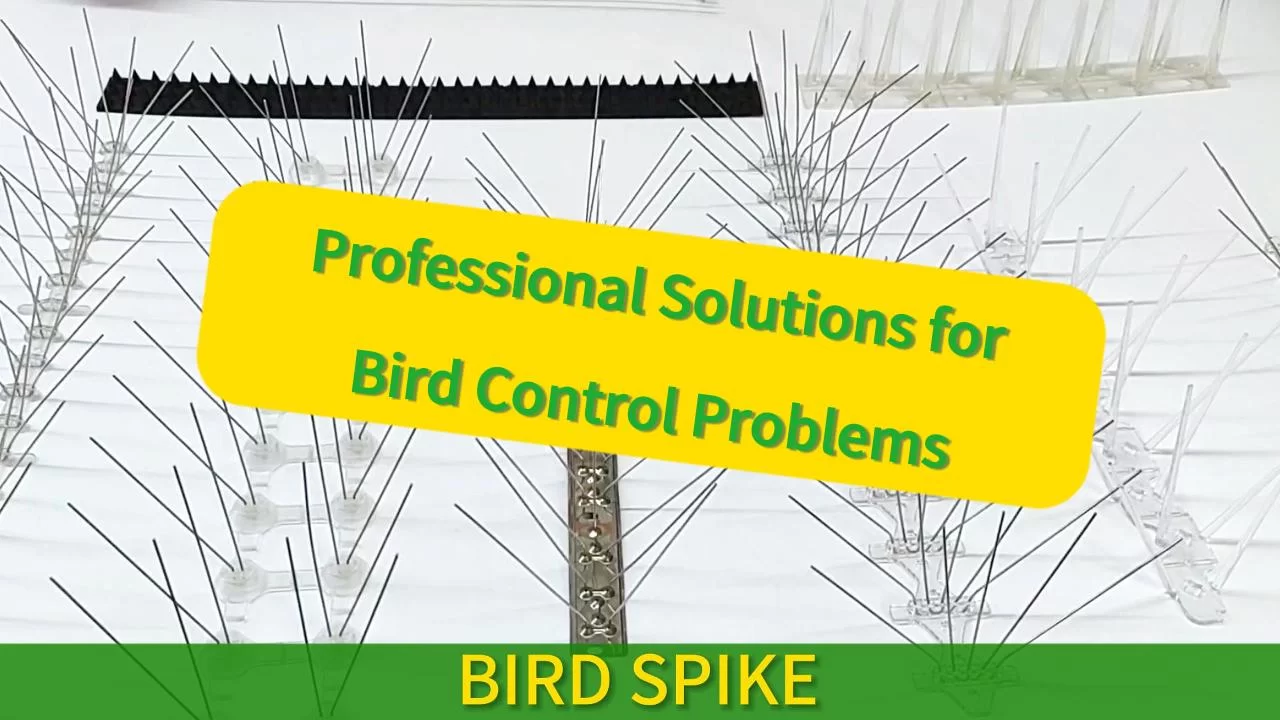
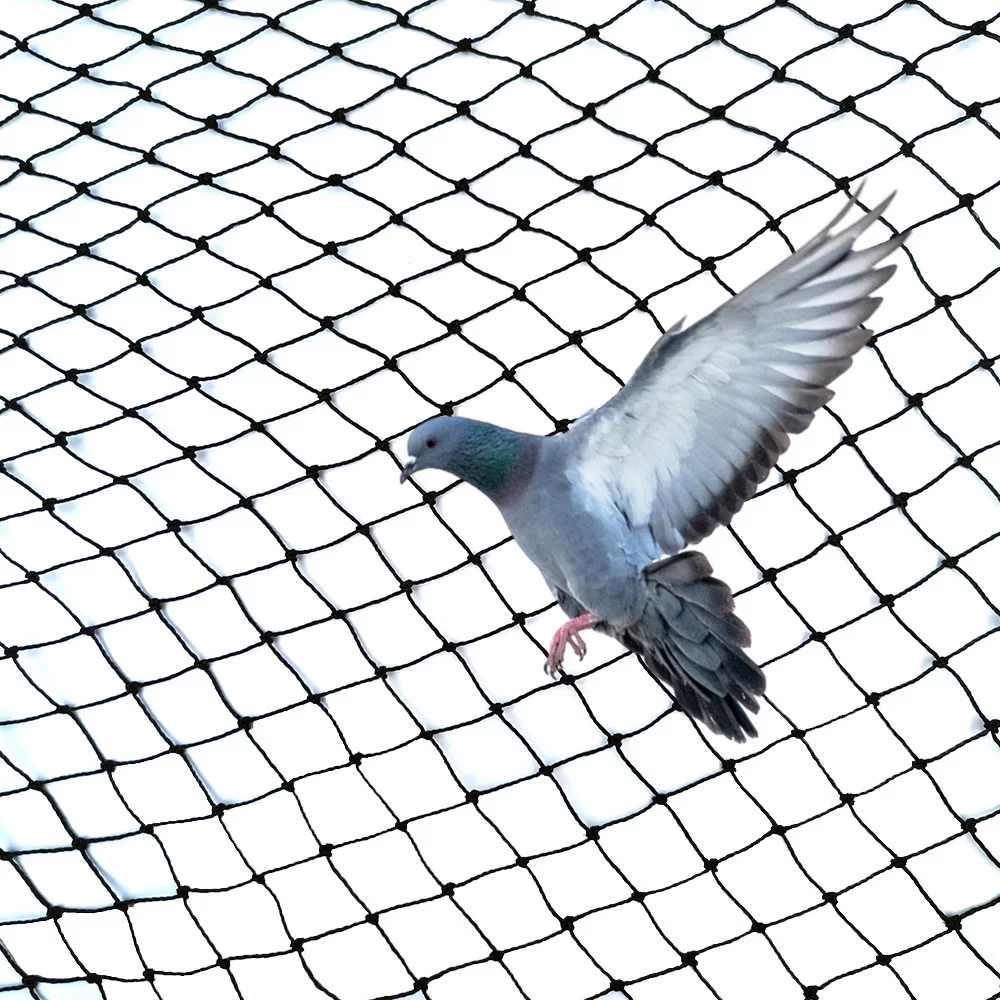
Bird mesh, a versatile and increasingly vital component in modern infrastructure and emergency response, is rapidly gaining global recognition. Initially conceived for specialized applications like aviary protection, its inherent properties – lightweight durability, adaptable configuration, and cost-effectiveness – have broadened its utility across diverse sectors. Understanding bird mesh isn’t just about the material itself, but about a paradigm shift in how we approach shelter, security, and sustainable building practices. The global demand for rapid deployment solutions, whether for disaster relief, temporary housing, or remote industrial operations, is escalating. Factors such as increasing frequency of natural disasters, global population displacement, and the need for scalable infrastructure in challenging environments drive this demand. Bird mesh offers a compelling alternative to traditional construction methods, addressing critical needs with speed, efficiency, and minimal environmental impact.
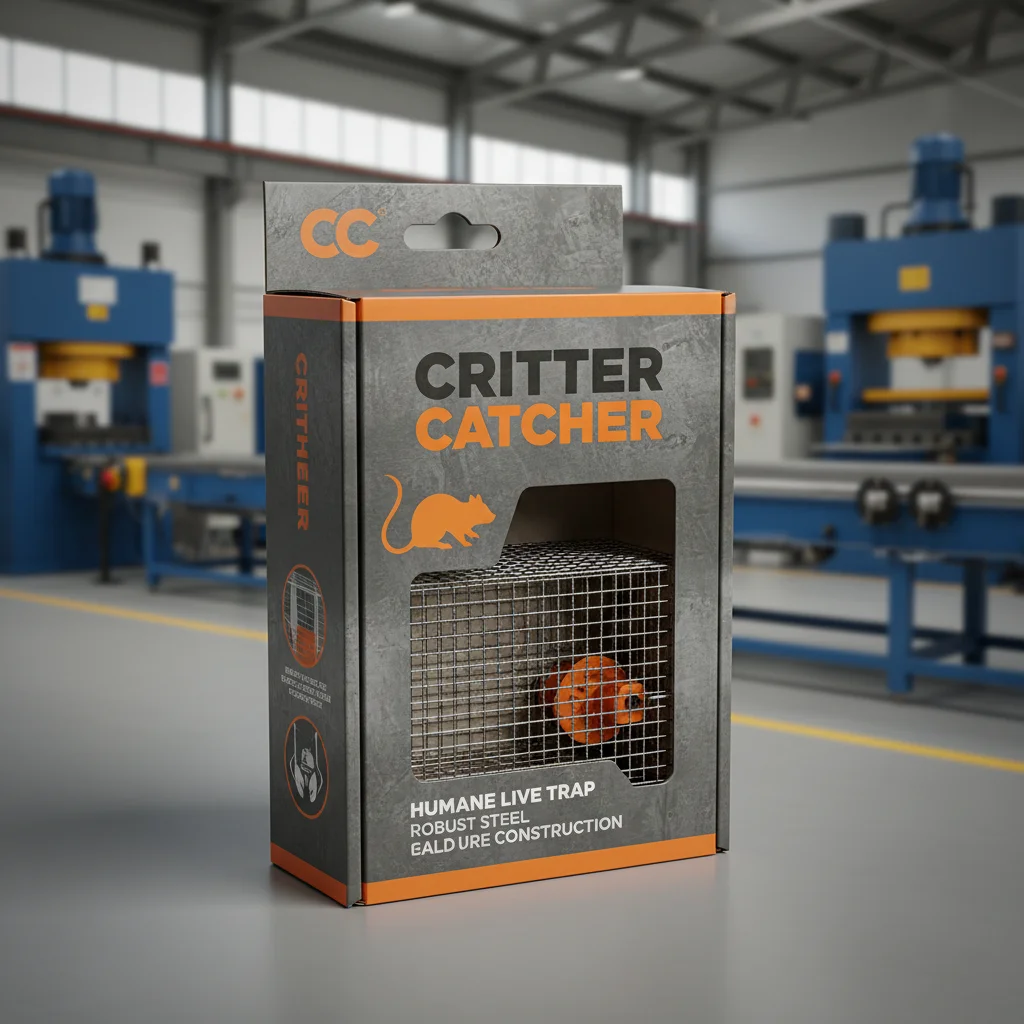
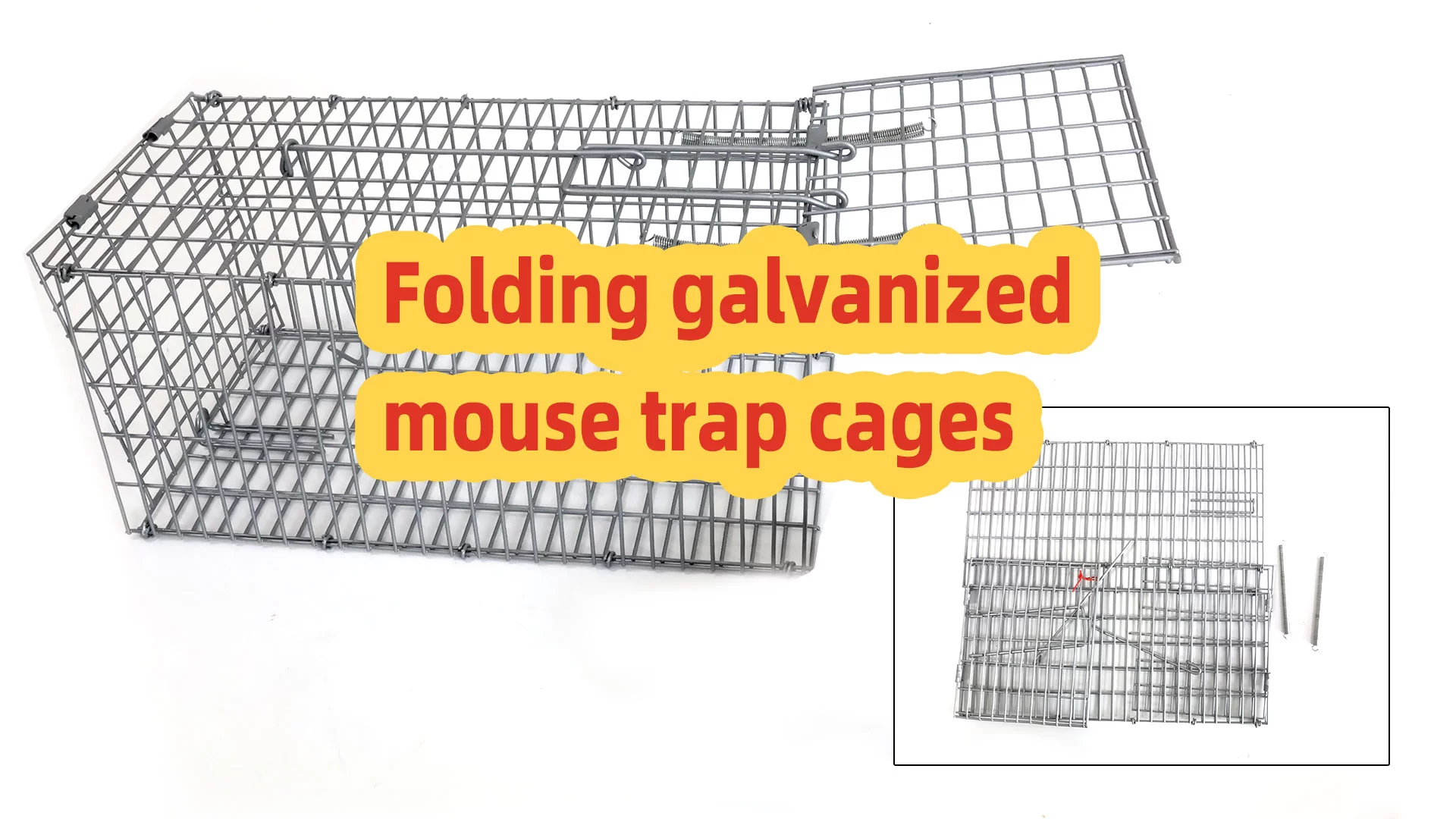
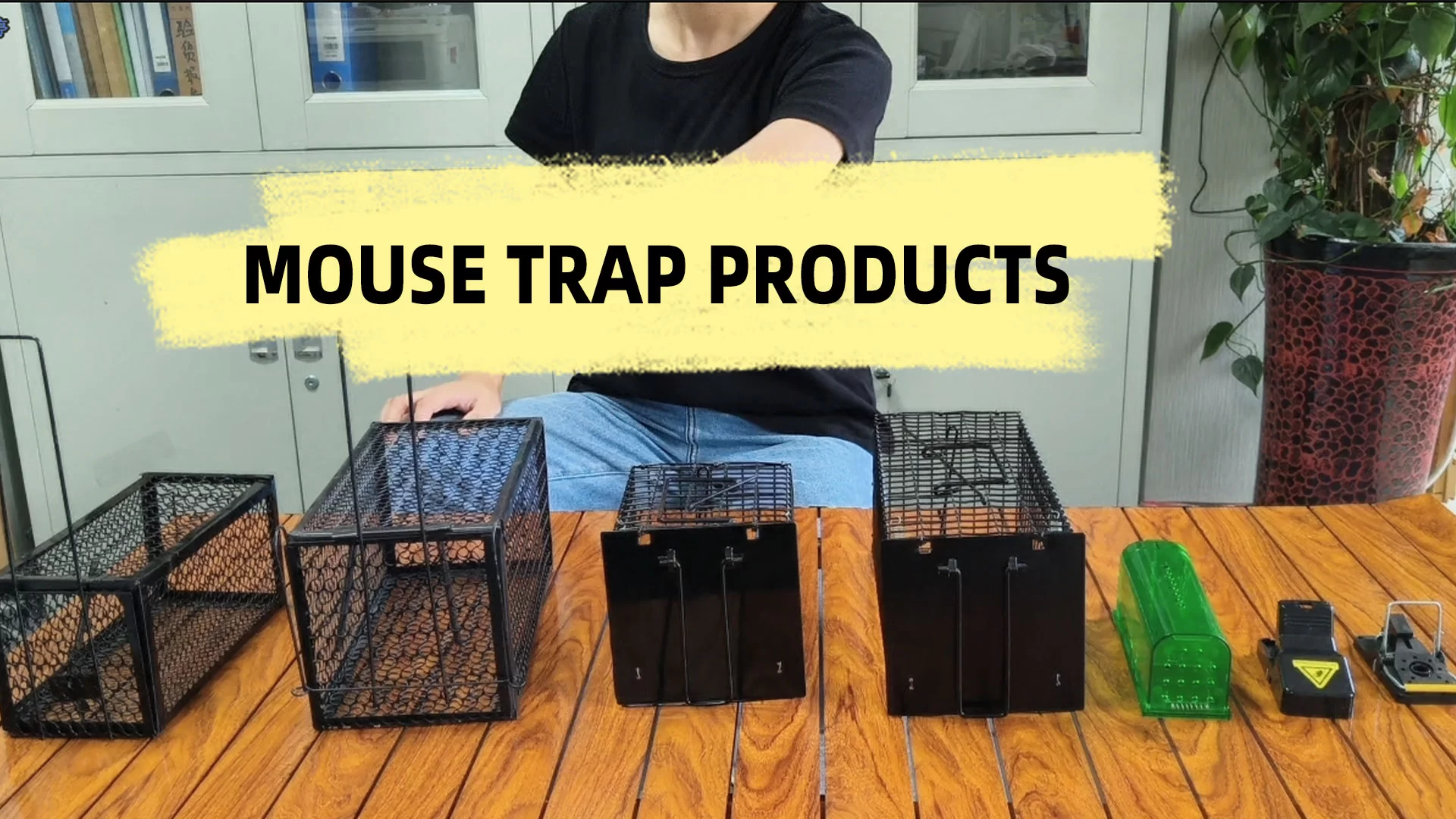
The ability to safely and humanely manage wildlife populations is crucial in a world increasingly impacted by human activity. A small live trap provides a non-lethal method for capturing and relocating animals, offering a solution for conflicts between humans and wildlife, and supporting conservation efforts. Its application extends from urban environments dealing with nuisance animals to rural settings requiring population monitoring. The global relevance of the small live trap is underscored by the growing pressures on ecosystems and the increasing need for sustainable coexistence. According to the UN Environment Programme, biodiversity loss is accelerating, and human-wildlife conflict is a significant threat to both wildlife and human livelihoods. Effective, humane, and readily deployable solutions like these are vital. The demand for effective and humane animal control solutions is projected to rise, driven by urbanization, agricultural expansion, and climate change.
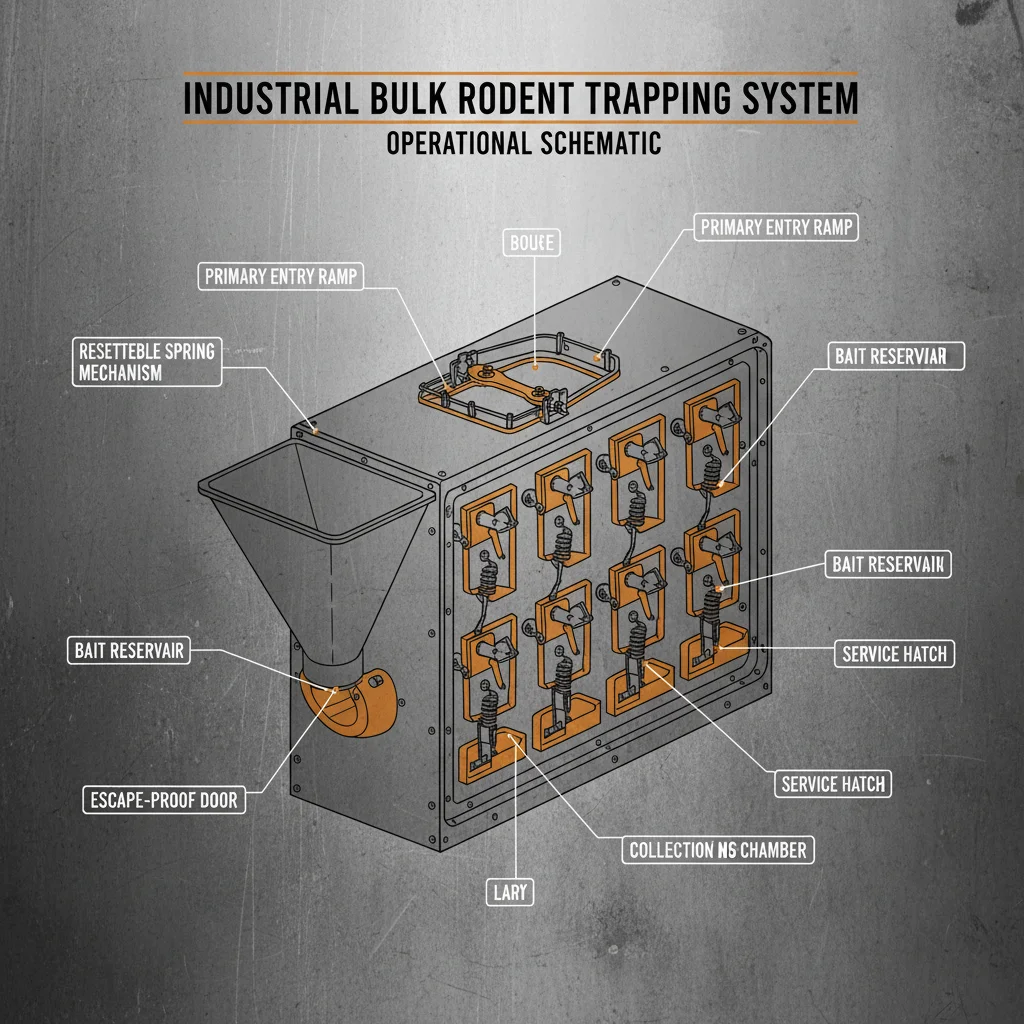
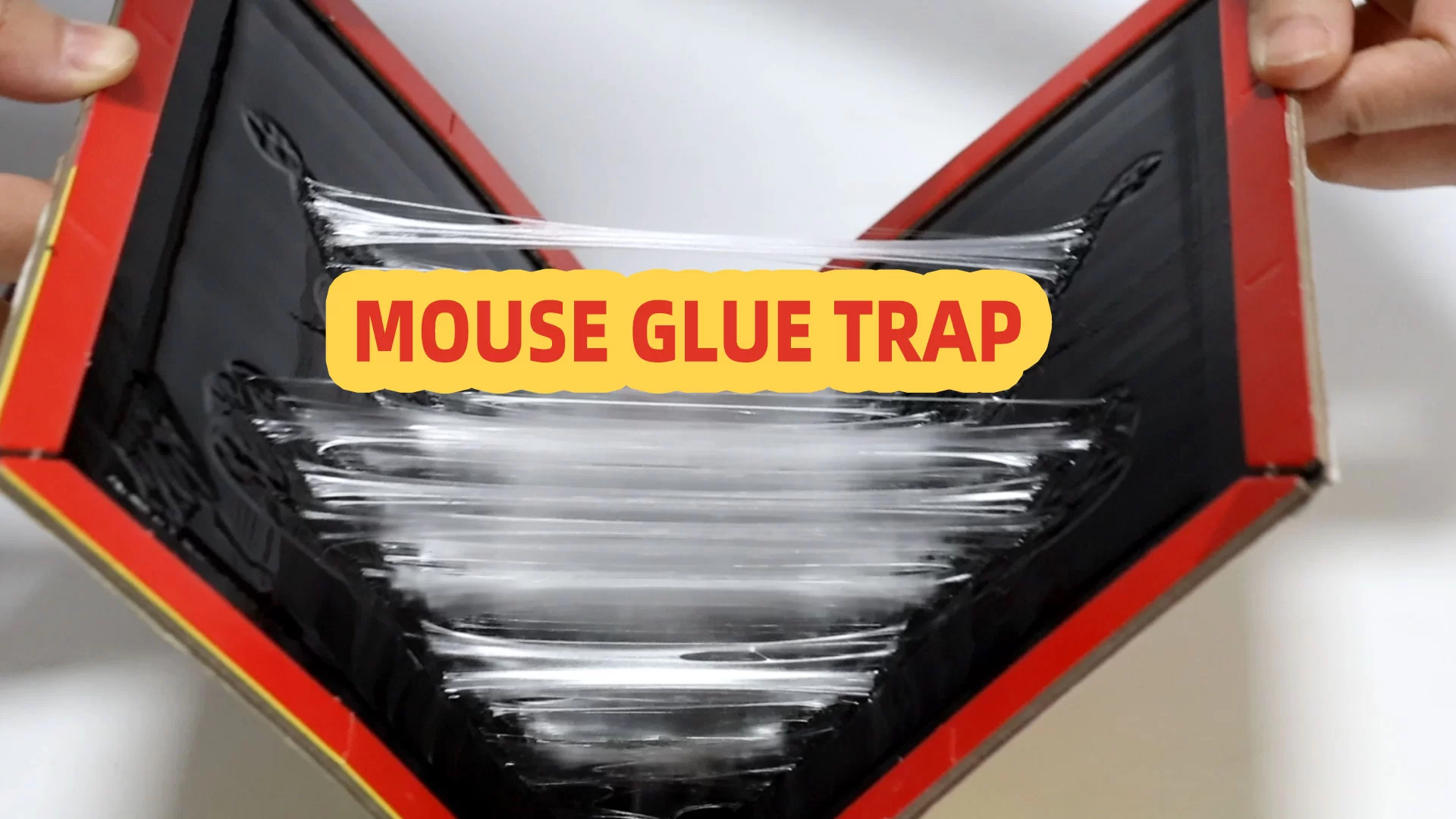
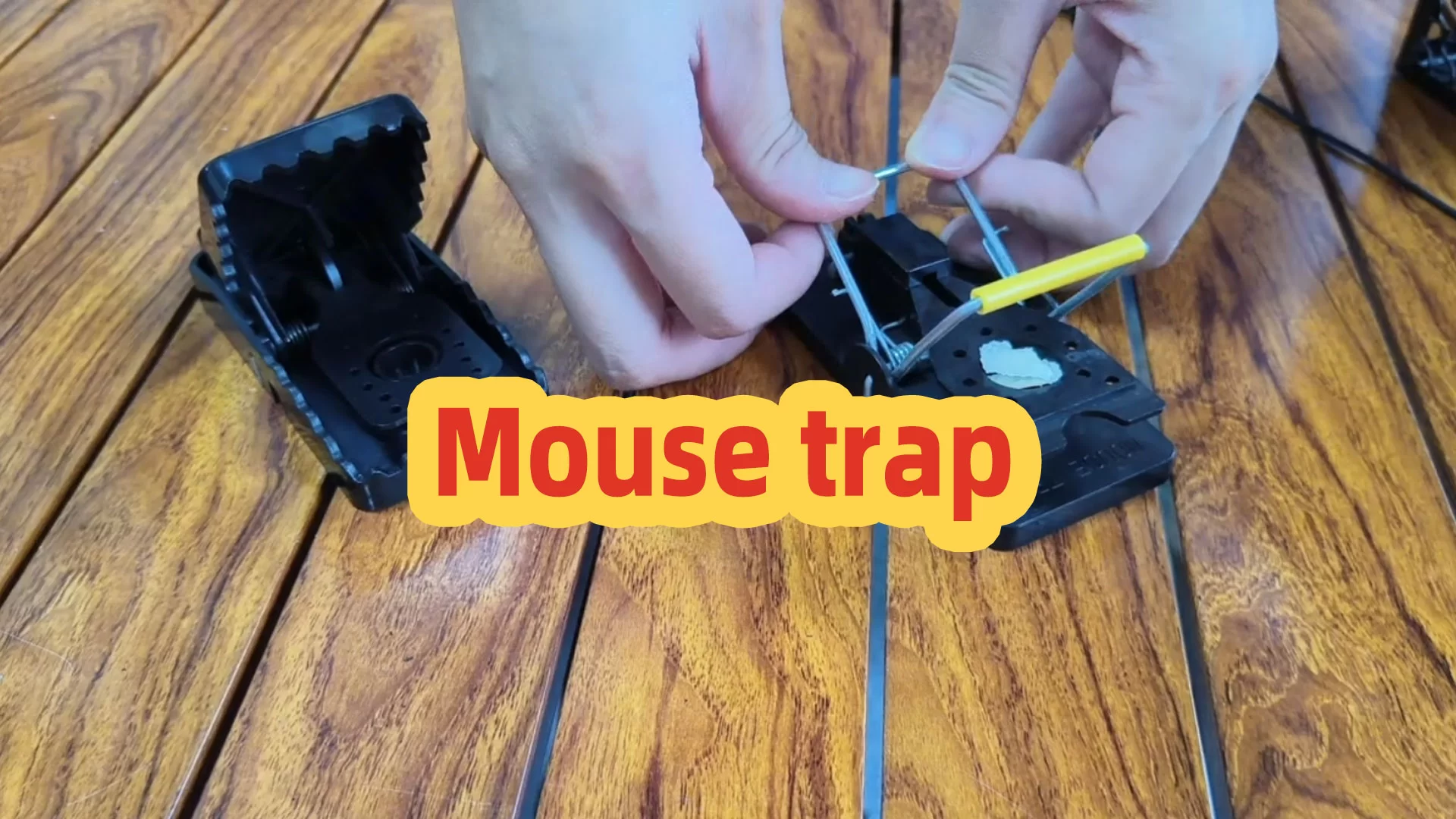
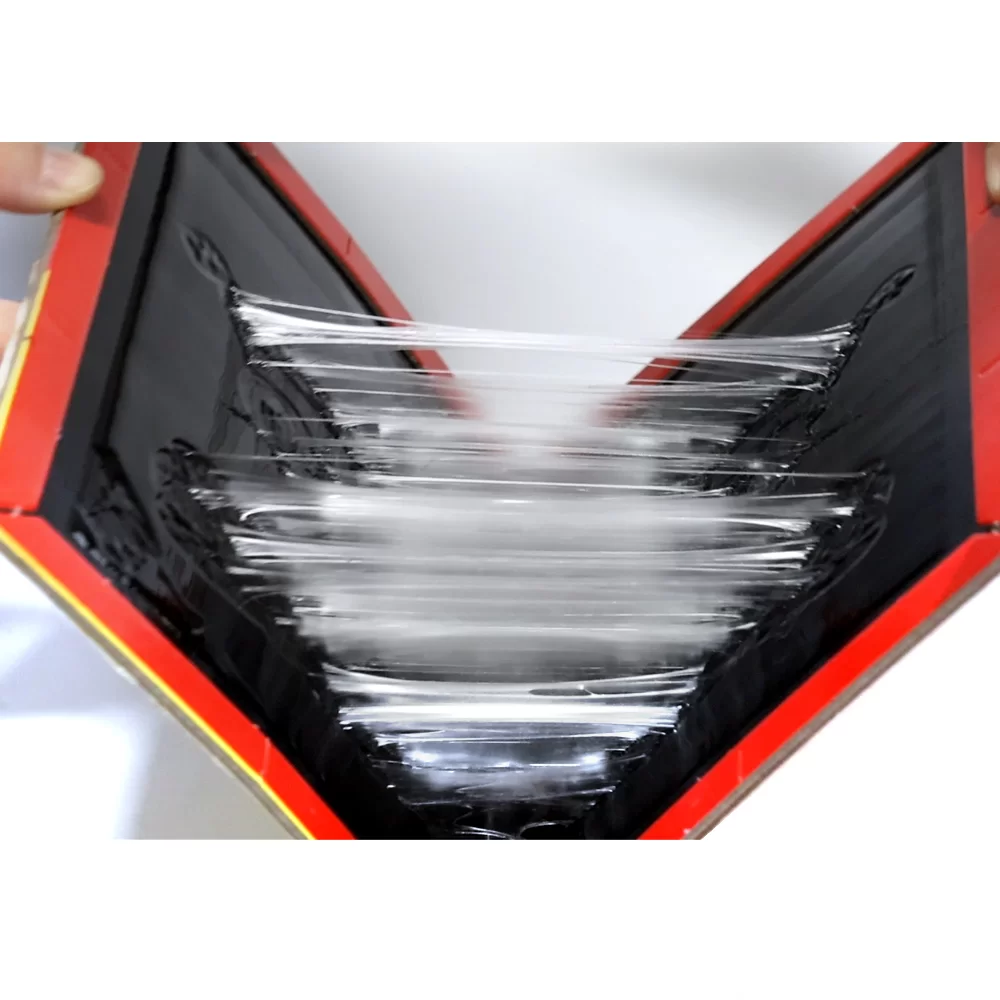
Bulk mouse traps represent a crucial aspect of pest control, particularly in environments where rodent infestations pose significant risks to public health, agriculture, and property. The demand for effective and scalable solutions to manage mouse populations has driven the development and widespread adoption of bulk mouse trap offerings. These aren’t simply individual traps sold in small quantities; they are large-scale provisions designed for professional pest control operators, agricultural businesses, food processing facilities, and governmental organizations tackling widespread rodent issues. Understanding the nuances of these solutions is essential for effective pest management strategies. Globally, the economic impact of rodent infestations is substantial, leading to billions of dollars in damage annually through crop loss, contamination of food supplies, and structural damage to buildings. The need for preventative and responsive pest control measures is constantly increasing, particularly with growing urbanization and expanding agricultural frontiers.