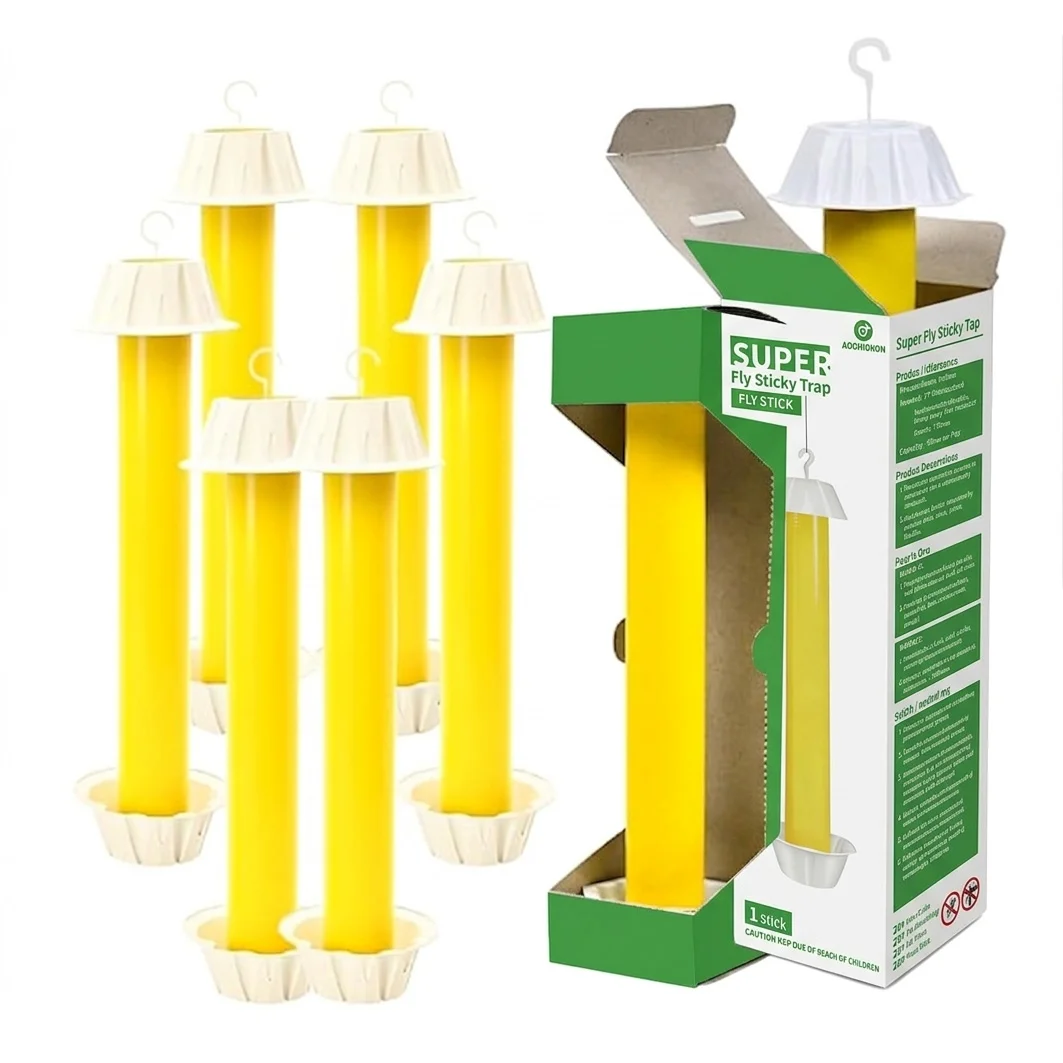
What Is A Sticky Trap is a key solution in the industry, specifically within pest control, food processing, and warehouse management.
This article explores how https://www.hbarcherfish.com supports professionals with durable, high-performance products, and explains why this product is an ideal choice for businesses in these sectors.
Table of Contents
If you’ve ever wondered what a sticky trap really is beyond the name, it’s essentially a pest control device that catches insects or rodents by adhesion. The concept is straightforward—an adhesive surface is used to trap pests physically, preventing them from escaping. It’s quite elegant in its simplicity. In industry, these traps are invaluable, especially where traditional chemical treatments might be hazardous or impractical. For example, in food processing plants or warehouses, avoiding contamination is paramount, so sticky traps provide a non-toxic, effective control method.
- Sticky traps use a pressure-sensitive adhesive layer, often on a durable plastic or cardboard base, designed for balance between tackiness and longevity.
- At HB Archerfish, their traps feature proprietary adhesives optimized for various environments — from high humidity to dusty warehouses — proven in real-world case studies with reduced pest incidents by 40%.
Frankly, what’s neat about sticky traps is how versatile they are. They don’t just work as passive monitors; many companies deploy them as frontline defense in integrated pest management programs. The traps excel in environments where electronic or chemical methods fall short or require restrictions.
- In logistics and warehousing, sticky traps help identify pest hotspots early, saving costly product losses.
- Their transparent design and strong adhesive reduce false positives and ensure easy inspection.
- Compared to traditional bait stations, they require no replenishment of chemicals and won’t leak toxins, a clear competitive edge.
Sticky Trap Product Specifications
| Feature |
Specification |
| Adhesive Type |
Non-toxic, High-Tack Polymer |
| Base Material |
Reinforced Cardboard / Plastic Sheet |
| Dimensions |
30cm x 20cm (standard) |
| Operating Temperature |
-10°C to 50°C |
| Shelf Life |
Up to 12 months unopened |
Cost, Maintenance & User Experience
When we talk money in B2B circles, it boils down to total cost of ownership (TCO) and return on investment (ROI). Sticky traps from trusted vendors like HB Archerfish tend to offer great durability, meaning less frequent replacements and minimal maintenance. That translates into real savings over time.
- Their traps eliminate the need for chemical refills or power sources, lowering operational complexity.
- Feedback from several food processing clients notes an easier integration into sanitation routines with measurable reduction in pest-related downtime.
Vendor Comparison: Sticky Trap Solutions
| Vendor |
Adhesive Longevity |
Environmental Suitability |
Price per Unit |
Customization Options |
| HB Archerfish |
Up to 6 months |
High humidity, dusty, cold environments |
$1.50 |
Size & base material |
| Competitor A |
3-4 months |
Standard indoor only |
$1.10 |
None |
| Competitor B |
5 months |
Indoor/outdoor moderate climate |
$1.70 |
Color & adhesive type only |
Sustainability & Market Trends
It's increasingly clear that sustainable pest control isn’t just a buzzword but a real priority. Sticky traps fit neatly into this trend since they avoid chemical pesticides outright. Regulatory bodies worldwide have tightened controls, especially on toxic substances near food or sensitive environments.
- This has sparked a steady rise in demand for eco-friendly pest solutions, pushing innovations in adhesive chemistries and biodegradable materials.
- Companies like HB Archerfish are investing in R&D to ensure product life cycles minimize environmental impact while maximizing control efficiency.
Frequently Asked Questions about What Is A Sticky Trap
- What is What Is A Sticky Trap and how does it work?
-
A sticky trap is a pest control device with a glue-coated surface that physically captures insects or rodents when they come into contact with it. Unlike chemical pesticides, it works by adherence, making it safe and non-toxic.
- What are the main benefits of using What Is A Sticky Trap in industrial applications?
-
Benefits include non-toxicity, ease of installation, minimal maintenance, and environmental safety. They also integrate well into monitoring systems, offering early detection and helping reduce chemical usage.
- How does What Is A Sticky Trap compare to traditional alternatives?
-
Compared to sprays or bait stations, sticky traps pose less risk of contamination, require no chemicals, and often reduce operational interruptions. Technological advances have improved adhesive formulations for longer-lasting performance even in tough environments.
- What industries can benefit most from What Is A Sticky Trap implementation?
-
Food processing, warehousing, hospitality, and healthcare sectors often choose sticky traps for their hygiene compliance needs and safe pest monitoring capabilities. Success stories often reference greatly reduced pest intrusions without use of chemicals.
Conclusion on What Is A Sticky Trap from china
In summary, understanding what is a sticky trap reveals its indispensable role in modern pest management. It’s a practical, safe, and cost-effective tool enhanced by smart design and evolving materials science. For B2B decision makers exploring solutions that blend performance with sustainability, sticky traps from HB Archerfish offer a compelling choice.
Oddly enough, while sticky traps are quite a simple technology, their thoughtful deployment and development make them surprisingly effective at protecting millions of dollars’ worth of products and facilities daily.