How to Use Bed Bug Glue Trap: A Practical Guide
Bed bugs may be tiny, but their presence can cause huge headaches worldwide. They infest homes, hotels, and even public spaces, leading to discomfort and economic loss. Knowing how to use bed bug glue trap effectively is an essential skill in pest control today. These traps offer an eco-friendly alternative to chemical solutions and can be a key first line of defense. Frankly, understanding these devices not only helps protect your home but also contributes to public health efforts globally.
Introduction: Global Context of Bed Bug Control
Bed bugs have been resurging globally over the past two decades, with the World Health Organization and major pest control agencies reporting increased infestations across continents. Roughly 30% of global households in affected regions have dealt with these pests, thanks mostly to increased travel and resistance to traditional pesticides. The rise underlines a pressing challenge — how to manage infestations quickly and safely without relying solely on toxic chemicals. This is where bed bug glue traps become especially relevant.
These traps are used in homes, hotels, hospitals, and even refugee camps to monitor and control bed bug populations. According to ISO guidelines on pest management (ISO 14001:2015), non-chemical methods are increasingly recommended to minimize environmental impact.
What Is a Bed Bug Glue Trap?
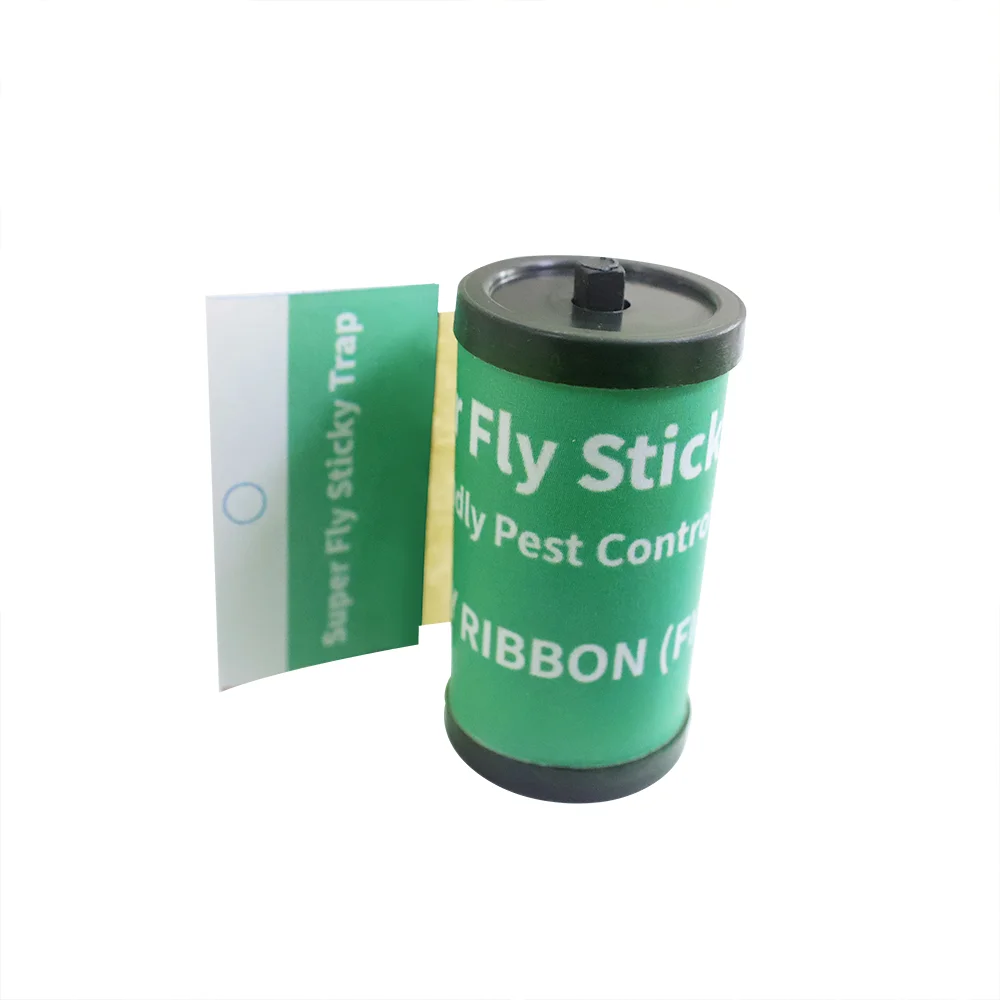
In simple terms, a bed bug glue trap is a sticky surface designed to capture bed bugs as they move around in search of hosts. Usually placed along beds, furniture legs, or in crevices, these traps immobilize bugs without spraying insecticide. This makes them safer for children, pets, and indoor air quality — a nice change from harsher sprays.
The use of glue traps ties into modern integrated pest management strategies focused on monitoring, early detection, and minimizing chemical use — all vital in today’s environmental and humanitarian contexts.
Key Features of Bed Bug Glue Traps
1. Adhesive Quality
The glue’s tackiness is crucial. It must be strong enough to hold even the smallest nymphs yet non-toxic. Some adhesives degrade over time, so quality varies by brand.
2. Size & Shape
Traps come in various sizes and formats — from simple square pads to circular basins that fit under furniture legs, each designed to intercept bugs in different environments.
3. Durability
Longevity matters; traps left in place for two weeks or more need to maintain their stickiness despite dust or humidity.
4. Ease of Use
Most traps are user-friendly, but some have added features like insect-attracting pheromones to boost catch rates, effectively making them monitoring tools as well.
Product Specifications
| Feature |
Specification |
| Trap Size |
10 x 10 cm square (standard) |
| Adhesive Type |
Non-toxic, water-resistant synthetic glue |
| Duration of Effectiveness |
Up to 4 weeks in indoor conditions |
| Additional Features |
Optional pheromone attractants for enhanced monitoring |
How Bed Bug Glue Traps Are Used Around the World
In many North American and European cities battling heavy infestations, glue traps serve as an effective non-chemical option for hotels and multi-unit housing. Oddly enough, in parts of Southeast Asia and Africa, these traps are also distributed in refugee camps and temporary shelters where pesticide use is limited for safety reasons.
Pest-control professionals use traps during initial inspections to detect infestation extent and after treatment to verify success. Even in rural settings where bed bug reticence can delay treatment, these traps provide ongoing monitoring support.
Vendor Comparison Table: Bed Bug Glue Traps
| Brand |
Adhesive Strength |
Pheromone |
Price (per pack) |
User Rating |
| TrapMaster |
High |
Yes |
$12.99 (10 pcs) |
4.5/5 |
| EcoTrap |
Medium |
No |
$9.50 (10 pcs) |
4.0/5 |
| SafeCatch |
High |
Yes |
$15.00 (8 pcs) |
4.7/5 |
Advantages & Long-Term Value
- Non-toxic & Safe: Ideal for households with kids and pets, avoiding chemical exposure.
- Cost-Effective: Compared with fumigation, glue traps are inexpensive and reusable to an extent.
- Environmentally Friendly: Reduce pesticide runoff and contamination.
- Trustworthy Monitoring: Help users identify infestation early and measure treatment success.
On an emotional level, they offer peace of mind. Knowing you can detect bed bugs without alarming chemicals feels reassuring. Plus, there’s a social dignity aspect: invisible, untreated infestations can cause stigma, but traps enable discreet control.
Future Trends & Innovations
Innovation isn’t standing still. Future glue traps may incorporate digital sensors that alert owners about captured pests remotely — a small IoT (Internet of Things) step into pest control. Sustainable adhesive formulas developed from bio-based materials are in progress, complementing green building initiatives and eco-conscious consumers.
Policies promoting chemical reduction in pest management bolster these developments, especially in schools and hospitals.
Challenges & Expert Solutions
The main challenge with bed bug glue traps is accuracy — not all catches mean a full infestation. False positives can cause unnecessary anxiety. Moreover, traps alone won’t eradicate bugs but serve better as part of integrated pest management systems. Experts recommend combining traps with mattress covers, heat treatments, or professional consultation.
Another limitation is trap placement; users must be educated about where to put them for best results, especially hidden crevices and near beds.
FAQ: Common Questions About How to Use Bed Bug Glue Trap
- Q: Where exactly should I place bed bug glue traps for effective monitoring?
A: Place traps on bed legs, under furniture, or along walls near sleeping areas. The goal is to intercept bed bugs traveling to feed. Avoid high-traffic areas to reduce dust contamination.
- Q: How often should I replace my glue traps?
A: Typically, traps remain effective up to 4 weeks indoors, but replace sooner if dust or debris covers the surface or the adhesive dries out.
- Q: Can bed bug glue traps replace professional pest treatments?
A: Not quite. Traps are a monitoring and containment method, great as part of a wider integrated pest management approach, but serious infestations usually require professional treatment.
- Q: Are these glue traps safe around pets?
A: Yes, since traps use non-toxic, water-based adhesives, they are safer than sprays. However, pets shouldn’t chew or ingest traps.
Conclusion: Why Mastering How to Use Bed Bug Glue Trap Matters
In real terms, adopting bed bug glue traps offers a safer, cost-friendly, and environmentally sound way to fight a pesky global problem. Understanding not just the “how” but the “why” behind their use puts control firmly in your hands. If you want to delve deeper and explore options tailored to your needs, don’t hesitate to visit our website for expert guidance: how to use bed bug glue trap.
Takeaway: Glue traps won’t solve every infestation overnight, but they’re a smart, low-impact piece of the puzzle — reliable, accessible, and evolving every year.
- World Health Organization reports on bed bug resurgence
- ISO 14001:2015 Environmental Management Systems – Pest Control
- Wikipedia: Bed Bug