14 November 2025
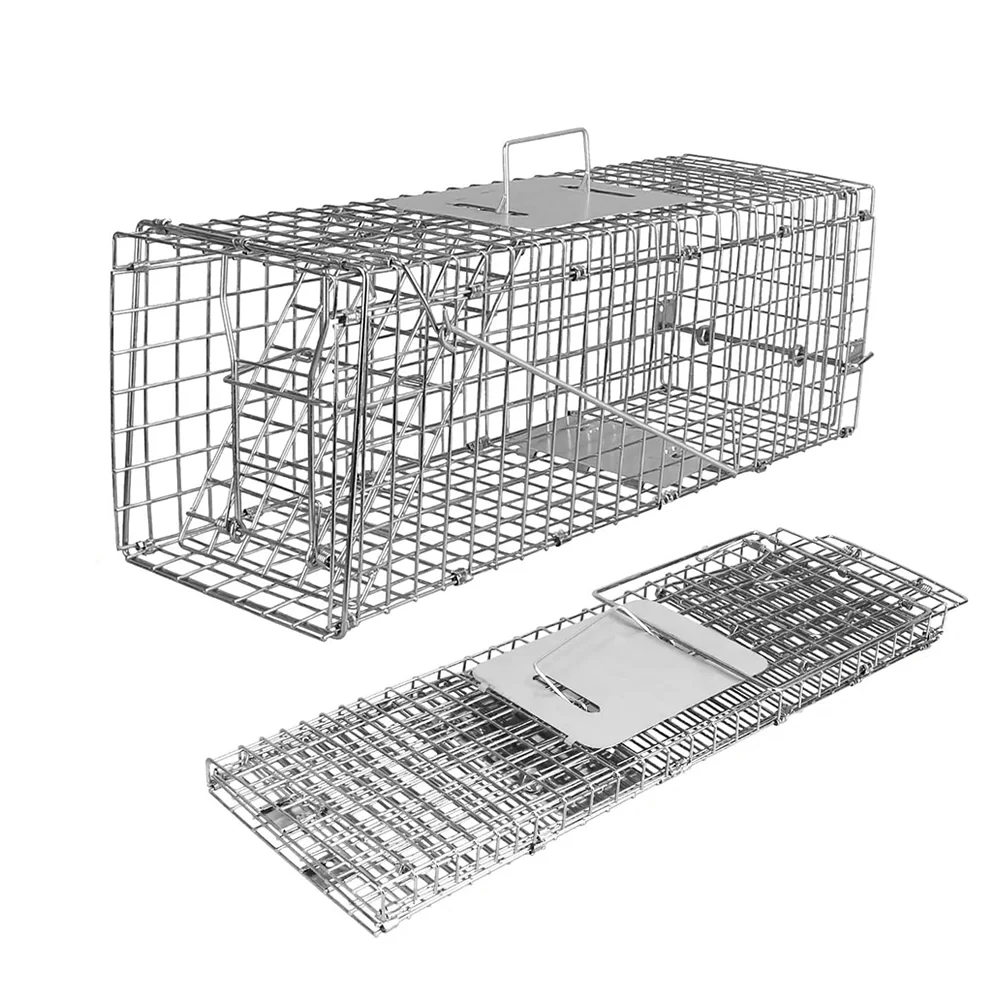
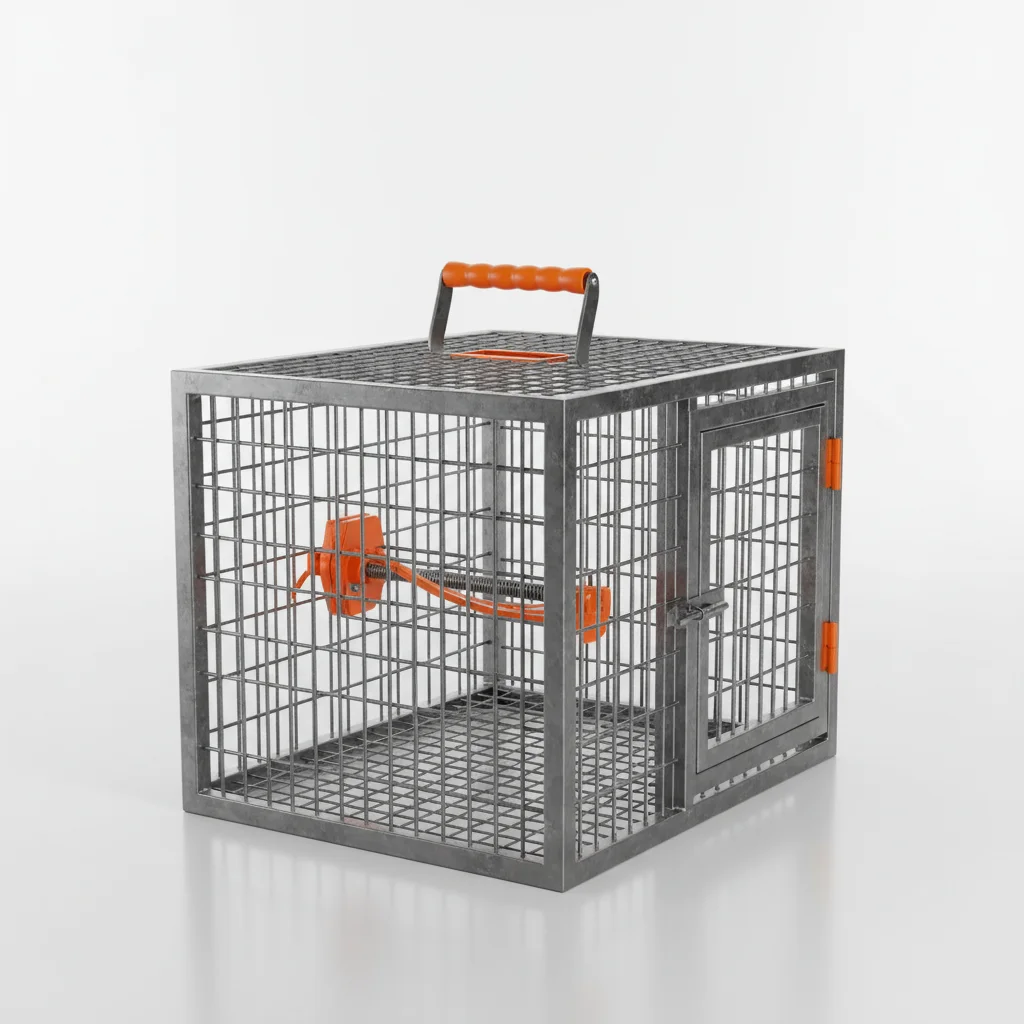
The growing emphasis on coexistence with wildlife has transformed how we approach animal encounters, particularly when they occur in our homes, gardens, and urban spaces. The humane animal trap cage represents a significant advancement in wildlife management, offering an ethical alternative to traditional pest control methods that often result in injury or death. These specialized devices are engineered to capture animals safely and without harm, allowing for their relocation to more suitable habitats. The fundamental principle behind a humane animal trap cage is simple yet profound: resolve human-wildlife conflicts without causing unnecessary suffering. This approach aligns with evolving ethical standards and legal requirements in many regions that increasingly prohibit cruel trapping methods.
At Hebei Archerfish Network Technology Co., Ltd., our journey since 2019 has been guided by this dual commitment to effectiveness and ethics. Founded as a foreign trade firm with a 15-person team focusing on pest control product exports, we've evolved into an 80-strong integrated company combining factory production and foreign trade, always maintaining our core values of Quality, Integrity, and Innovation. This guide explores the principles, applications, and techniques for successfully implementing humane animal trap cage solutions, providing comprehensive information for homeowners, property managers, and wildlife professionals seeking ethical wildlife management options.
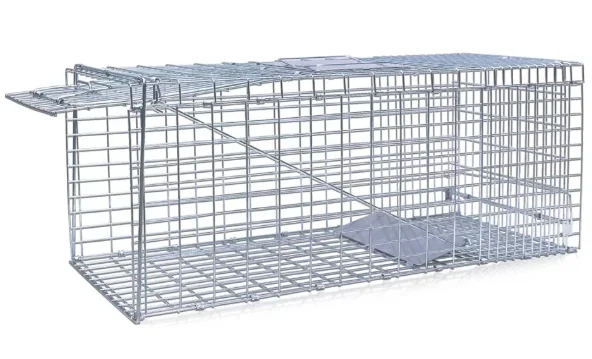
The effectiveness of any humane animal trap cage begins with its fundamental design principles, which balance animal safety with functional reliability. These devices typically feature a box-like structure constructed from durable materials, most commonly steel wire mesh, which provides both visibility and ventilation while maintaining structural integrity.
l The trigger mechanism represents the technological heart of these devices, engineered to respond to an animal's full entry into the trap while resisting accidental triggering from partial contact or environmental factors. In our humane squirrel traps, this mechanism is precisely calibrated to require sufficient weight distribution across the trigger plate, ensuring the animal is completely inside before the door closes.
l The door assembly must secure instantly and reliably once triggered, with many designs incorporating a locking mechanism that prevents escape while allowing for easy access during release. Safety features extend to every component, including smooth edges that prevent injuries to captured animals and durable construction that resists bending or breaking during transport.
The collapsible design featured in many of our traps addresses practical concerns like storage and transport, allowing users to easily fold the units for space-saving storage without sacrificing structural integrity when deployed. This thoughtful integration of animal welfare considerations, functional reliability, and user convenience represents the evolution of humane animal trap cage technology, transforming what was once a simple containment device into a sophisticated tool for ethical wildlife management.
Squirrels present unique challenges in wildlife management due to their intelligence, agility, and persistence, requiring specialized approaches when implementing humane squirrel traps. These nimble creatures have evolved sophisticated problem-solving abilities that often allow them to circumvent poorly designed or improperly used traps.
l Effective humane squirrel traps must account for their cautious nature, light weight, and ability to manipulate objects with their dexterous paws. The most successful humane squirrel traps feature trigger mechanisms sensitive enough to respond to animals weighing as little as one pound, while the mesh spacing must be narrow enough to prevent escape attempts without risking limb entrapment.
l Baiting strategy represents perhaps the most crucial element in squirrel trapping success, with these selective feeders often ignoring substandard offerings. Our company has confirmed that nut butters (especially peanut and almond), whole nuts in shells, sunflower seeds, and fruit slices typically yield the best results when used in humane squirrel traps.
l Placement requires equal consideration, with optimal positioning along frequently traveled pathways like fence lines, tree branches extending toward structures, or directly at entry points to attics or crawl spaces. The timing of trap monitoring is particularly important with humane squirrel traps, as these high-metabolism animals experience stress more rapidly than larger species and require prompt release.
The implementation of live cat traps represents one of the most common applications of humane trapping technology, serving vital roles in feral cat management, lost pet recovery, and wildlife conservation. These specialized devices must accommodate the unique behaviors and physical capabilities of feline species, which include considerable strength, flexibility, and intelligence. Strategic placement of live cat traps involves identifying areas of regular feline activity, often marked by visual sightings, footprints, or scat, with particular attention to feeding times which typically occur at dawn and dusk. Baiting strategies for live cat traps typically utilize strong-smelling foods like canned fish, cat food, or specially formulated commercial attractants that can create scent trails reaching far beyond the immediate trapping area.
Beyond feral cat management, live cat traps serve important roles in wildlife conservation, allowing researchers to safely capture and monitor wild feline populations for study or veterinary care. These same devices also prove invaluable for recovering lost domestic cats that have become too frightened to approach their owners, providing a safe containment method for transportation back home. The versatility of well-designed live cat traps demonstrates how the fundamental humane animal trap cage concept can be adapted to address diverse scenarios involving medium-sized mammals, always maintaining the core principles of safety, effectiveness, and ethical treatment.
Selecting the appropriate humane animal trap cage requires careful consideration of multiple factors to ensure both effectiveness and animal welfare.
l The primary selection criterion involves matching trap size to the target species, with dimensions that provide sufficient space for the animal to enter and turn around comfortably without excessive room that might allow jumping or injury.
l Construction quality represents another critical consideration, with durable materials like galvanized steel or powder-coated wire mesh providing both longevity and resistance to environmental conditions.
Our manufacturing process, which involves strict quality checks from raw materials to delivery, ensures that every humane animal trap cage meets these durability standards while maintaining functional reliability. Trigger mechanism sophistication varies significantly across price points, with more advanced designs offering adjustable sensitivity and trip plates that encourage full animal entry before activation.
The most important features in effective humane squirrel traps include appropriately sensitive trigger mechanisms that respond to light animals, correct mesh spacing that contains without risking injury, durable construction that withstands chewing attempts, and sufficient size to accommodate the animal without excessive space. Additional considerations include smooth internal surfaces that prevent injury, secure door mechanisms that prevent escape, and visibility that allows monitoring without approaching too closely.
Proper use of a humane animal trap cage begins with careful reading of manufacturer instructions, followed by strategic placement in areas of animal activity while considering both capture efficiency and animal safety during extreme weather. Correct baiting for the target species, regular monitoring, and having a relocation plan prepared before setting the trap are all essential components of ethical use.
When live cat traps fail to capture, several troubleshooting steps should be implemented including reassessing bait selection and presentation, verifying trigger mechanism sensitivity, improving camouflage and placement strategy, and considering pre-baiting to build animal confidence. Environmental factors like human activity patterns, weather conditions, and competing food sources should also be evaluated.
Legal considerations for humane squirrel traps vary significantly by jurisdiction but often include regulations regarding trap checking intervals, permitted relocation distances, species-specific restrictions, and seasonal limitations. Some regions require permits for trapping certain species, while others may prohibit relocation entirely due to disease concerns.
Our company ensures quality across our humane animal trap cage product line through rigorous processes that begin with material selection and continue through manufacturing, assembly, and final inspection. Every product undergoes strict checks from raw materials to delivery, with particular attention to trigger mechanism reliability, door operation, and safety features like smooth edges. Our ZDHC certification and commitment to eco-friendly materials further demonstrates our comprehensive quality approach.
The thoughtful implementation of humane animal trap cage technology represents a significant advancement in ethical wildlife management, allowing for the resolution of human-animal conflicts without unnecessary harm. At Hebei Archerfish Network Technology Co., Ltd., our development since 2019 has been guided by these principles, with continuous product refinement balancing traditional functionality with innovative improvements that enhance both user experience and animal safety. The proper selection, deployment, and monitoring of these devices requires understanding both the technical aspects of trap operation and the biological realities of target species behavior. By implementing these comprehensive approaches to humane trapping, homeowners, property managers, and wildlife professionals can effectively address wildlife conflicts while respecting the intrinsic value of the animals involved.
Apr 03, 26
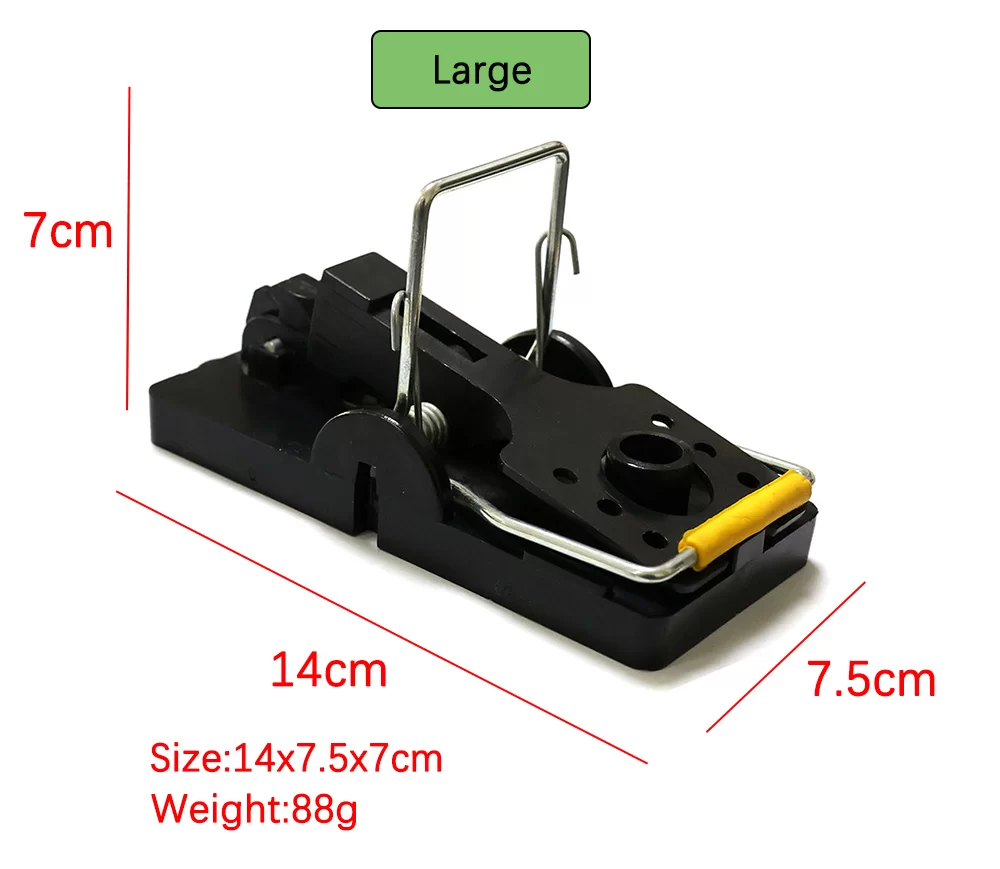
Types of Rodent Traps: Choosing the Best Solution for Pest Control
Rodent infestations are a serious concern in both residential and commercial spaces. Rats and mice not only damage property but also pose significant health risks by contaminating food and spreading disease.
Nov 27, 25
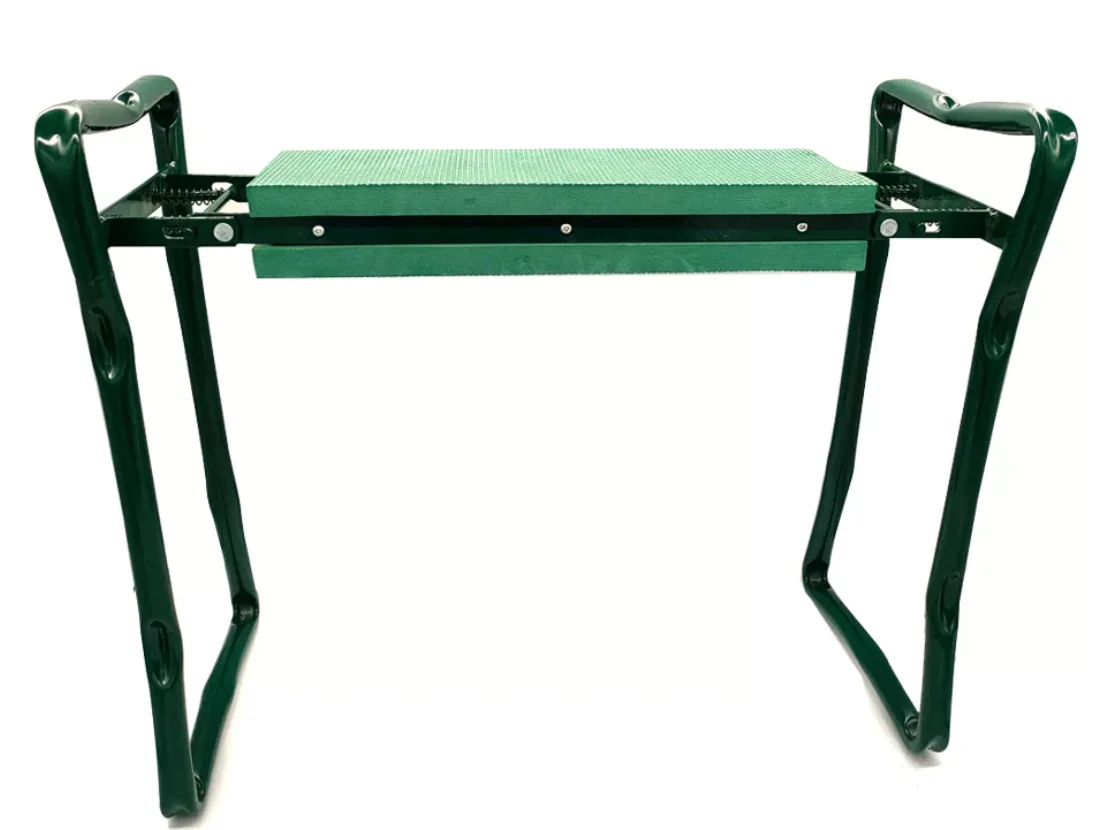
The garden kneeler and seat is high-quality
Gardening is a beloved pastime that connects us with nature, but it often comes at a physical cost.
Feb 10, 26
Comprehensive Guide to Animal Trap Cages for Effective Wildlife Management
Dec 22, 25
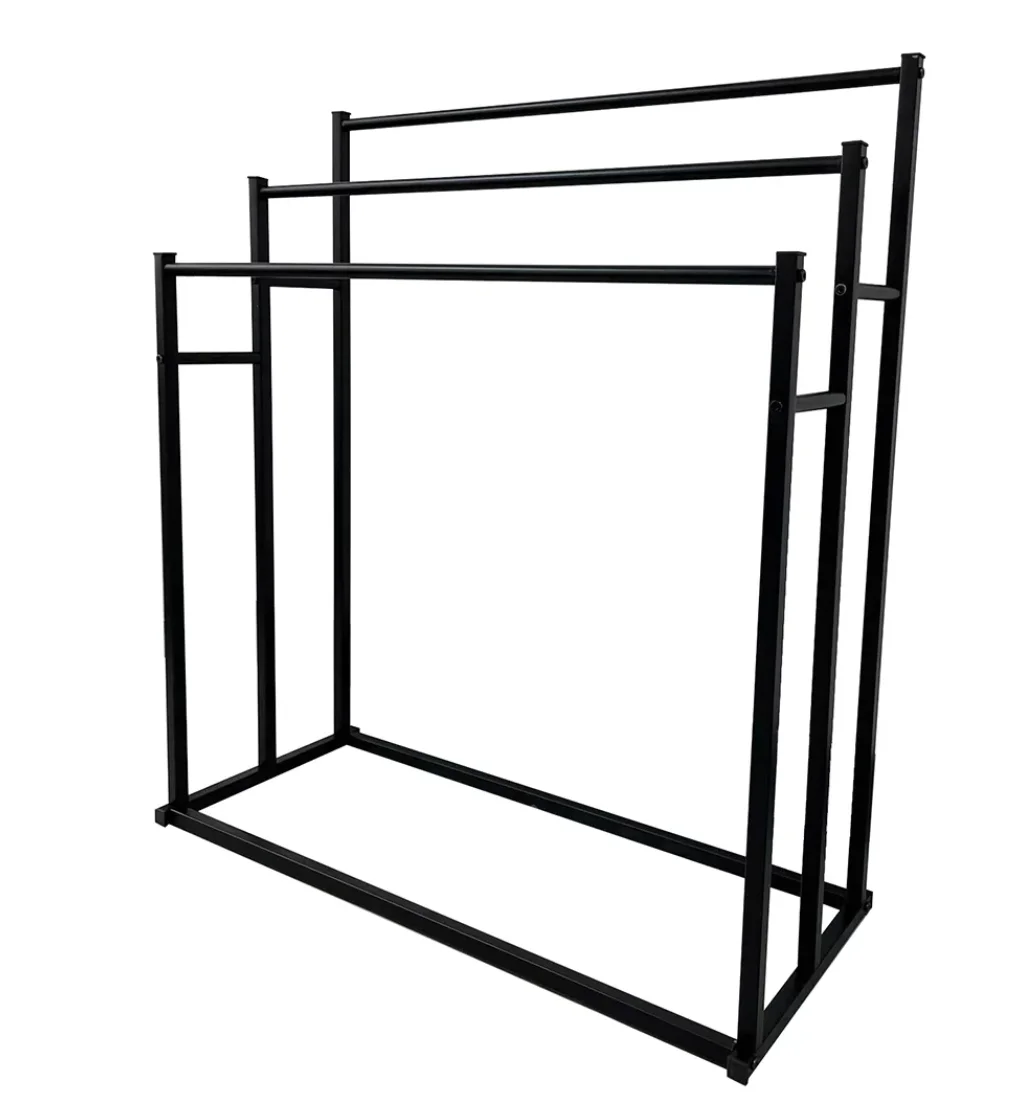
Commercial Towel Stand for Sale Bulk Orders
In the competitive world of hospitality, wellness, and fitness, every detail contributes to the customer experience.